
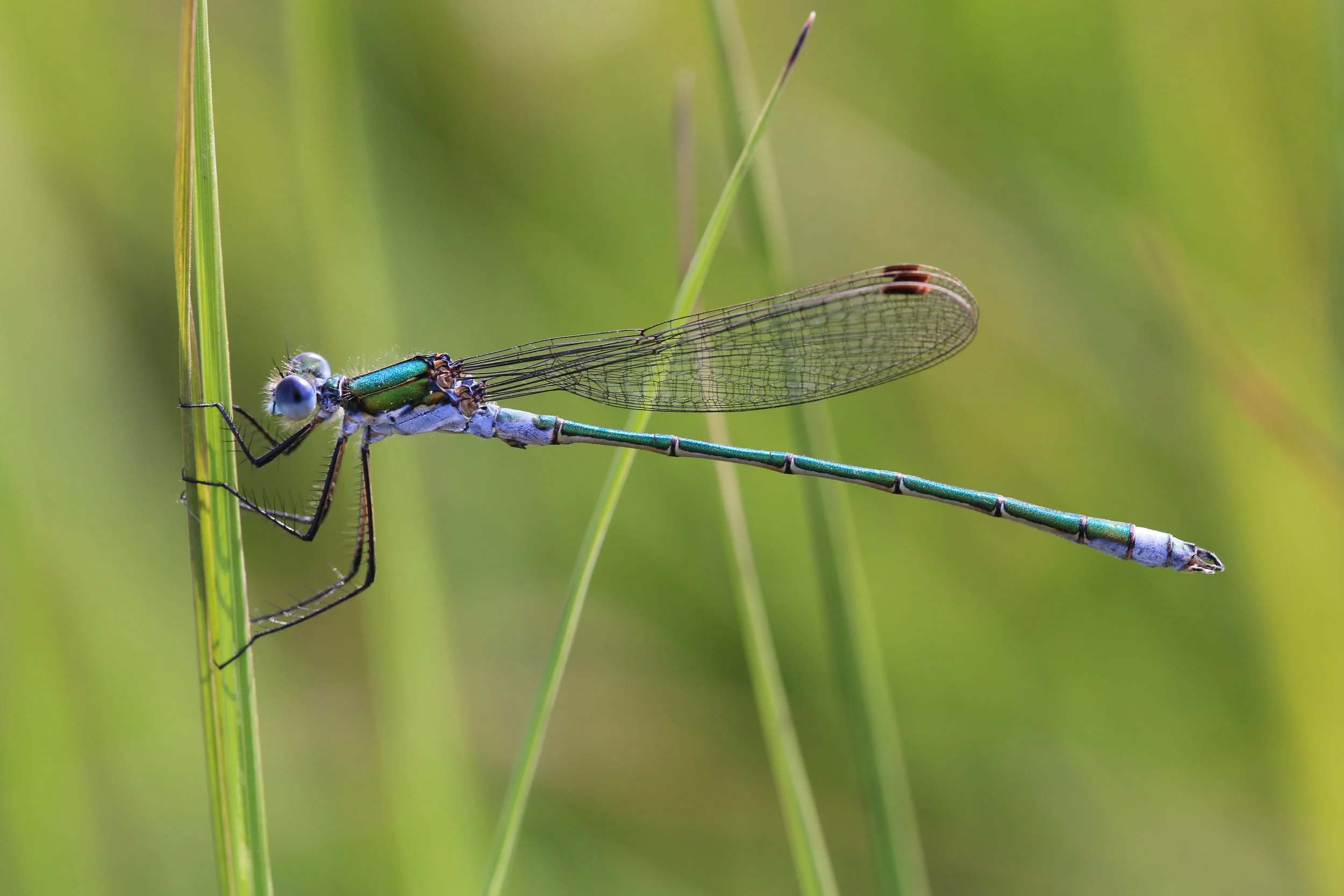

Photo of Emerald Damselfly by Julia Cooper
Join the Irish Rights For Nature campaign.
Nature keeps us alive. It filters our water, stabilises our climate, and sustains the food we eat. Yet under European law, it has no rights, it cannot be represented, and it cannot defend itself. Rights for Nature is the legal idea that changes that. We are officially registered with the European Commission.
We are European citizens uniting to call on the EU to recognise ecosystems as rights-holders rather than property. Starting on the 13th October 2026, we will collect one million signatures to bring this demand before the European Commission and shift the foundation of Europe’s environmental law.
Bí páirteach i bhfeachtas na hÉireann um Chearta an Dúlra.
Coinníonn an dúlra beo muid. Glanann sé ár gcuid uisce, cuidíonn sé lenár n-aeráid a chobhsú, agus cothaíonn sé muid leis an mbia a ithimid. Ach faoi dhlí na hEorpa, níl cearta aige, ní féidir ionadaíocht a dhéanamh thar a cheann, agus níl sé in ann é féin a chosaint. Is é Cearta an Dúlra an coincheap dlíthiúil a d’fhéadfadh an scéal sin a athrú. Táimid cláraithe go hoifigiúil leis an gCoimisiún Eorpach.
Táimid, saoránaigh na hEorpa, ag teacht le chéile chun iarraidh ar an Aontas Eorpach éiceachórais a aithint mar shealbhóirí cearta, seachas mar mhaoin. Ón 13 Deireadh Fómhair 2026 ar aghaidh, baileoimid milliún síniú chun an t-éileamh seo a chur os comhair an Choimisiúin Eorpaigh agus chun bunús dhlí comhshaoil na hEorpa a athrú.
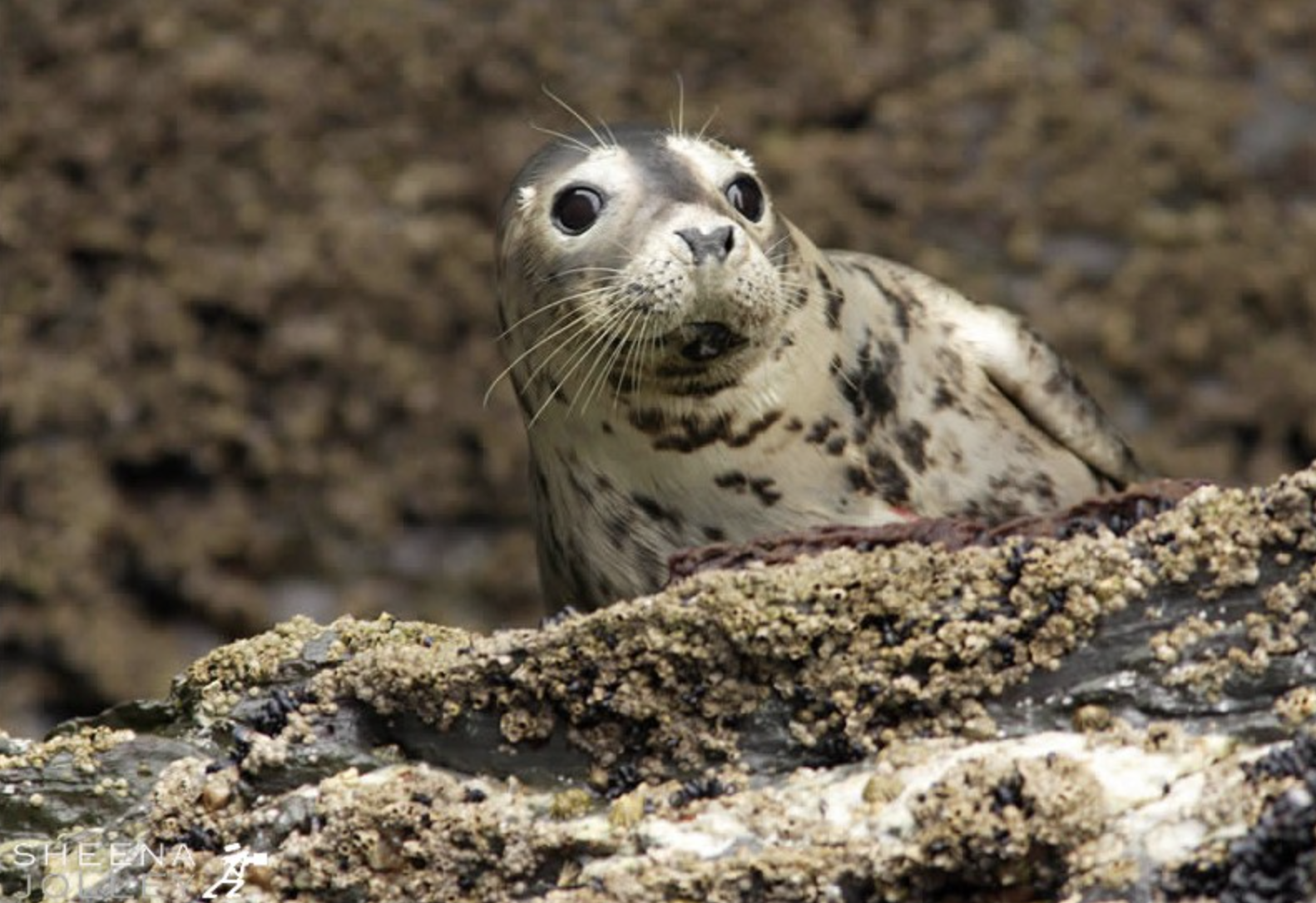
Photo of grey seal by Sheena Jolley
About the Rights for Nature
Rights for Nature is a global legal and cultural movement advocating to recognise ecosystems—such as rivers, forests, oceans, bogs, and mountains—as legal entities with inherent rights to exist, thrive, and regenerate. Just like humans. It shifts environmental protection from exploiting resources to enforcing legal rights on behalf of nature.
Rights for Nature can also act as a catalyst to transform our thinking from an extractive economy towards a regenerative economy.
The campaign seeks to move beyond traditional, limited environmental regulations toward a paradigm shift that protects the intrinsic value of the natural world, and all the more than human beings, similar to developments in Ecuador and Bolivia.
Maidir le Cearta an Dúlra
Is gluaiseacht dhomhanda dhlíthiúil agus chultúrtha é Cearta an Dúlra atá ag iarraidh go n-aithneofaí éiceachórais — amhail aibhneacha, coillearnacha, aigéin, portaigh agus sléibhte — mar eintitis dhlíthiúla a bhfuil cearta bunúsacha acu a bheith ann, a bheith sláintiúil agus athghiniúint a dhéanamh. Díreach cosúil le daoine. Athraíonn sé seo an cur chuige i leith chosaint an chomhshaoil: ó shaothrú acmhainní go dtí cearta dlíthiúla a fhorfheidhmiú ar son an dúlra.
Is féidir le Cearta an Dúlra a bheith ina spreagadh freisin chun ár meon a athrú ó gheilleagar eastóscach i dtreo geilleagair athghiniúnaigh.
Féachann an feachtas le dul níos faide ná na rialacháin chomhshaoil thraidisiúnta agus theoranta atá ann faoi láthair, agus le hathrú bunúsach a dhéanamh ar an gcaoi a gcosnaímid an domhan nádúrtha agus a luach intreach, chomh maith leis na neacha beo uile nach daoine iad. Tá forbairtí den chineál seo le feiceáil cheana féin in Eacuadór agus sa Bholaiv.
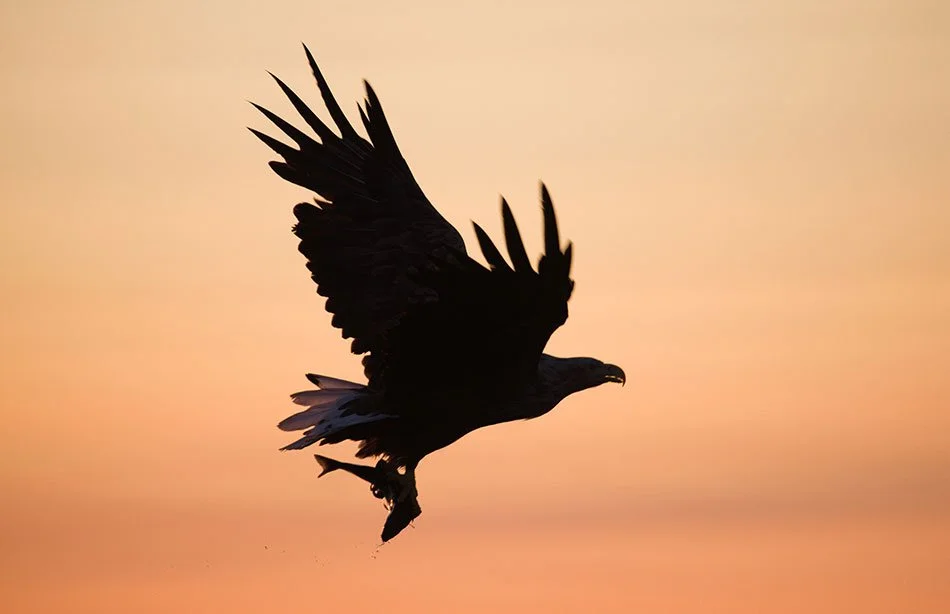
Photo of sea eagle by Mike Brown
The Irish ECI campaign
In Ireland the Rights of Nature campaign has already built strong foundations, securing the backing of a number of politicians and senators, and overwhelming support from the Irish Citizens’ Assembly on Biodiversity Loss.
In 2023, the Joint Committee on Environment and Climate Action agreed, in principle, to the recommendation from the Citizens Assembly that the people of Ireland be afforded an opportunity in a referendum to vote on Rights of Nature and their incorporation into Bunreacht na hÉireann, the Constitution of Ireland. The Committee’s report was adopted by the Oireachtas (National Parliament).
This new Irish ECI campaign is part of the European Coalition to bring the Rights for Nature to EU level through a European Citizen’s Initiative (ECI), with a 2 year strategy to strengthen a European movement.
The ECI presents a unique opportunity for the citizens of Ireland, north and south, to build on the momentum behind the movement for the Rights of Nature and the rights of Ireland.
Feachtas ECI na hÉireann
In Éirinn, tá bunsraitheanna láidre tógtha cheana féin ag feachtas Chearta an Dúlra, agus tá tacaíocht faighte aige ó líon suntasach polaiteoirí agus Seanadóirí, chomh maith le tacaíocht d’aon ghuth ó Thionól Saoránach na hÉireann um Chaillteanas Bithéagsúlachta.
In 2023, thacaigh Oireachtas na hÉireann le plean chun reifreann náisiúnta a reáchtáil maidir le leasú chun cearta an dúlra a chumhdach i mBunreacht na hÉireann. Má ghlactar leis an leasú seo, bheadh Éire ar an gcéad tír san Eoraip a d’aithneodh cearta an dúlra ar leibhéal bunreachtúil.
Tá an feachtas nua ECI seo in Éirinn mar chuid de Chomhghuaillíocht Eorpach atá ag obair chun Cearta an Dúlra a thabhairt chuig leibhéal an Aontais Eorpaigh trí Thionscnamh Eorpach na Saoránach (ECI).
Cuireann an Tionscnamh Eorpach ó na Saoránaigh deis ar leith ar fáil do mhuintir na hÉireann, ó thuaidh agus ó dheas, chun cur leis an fuinneamh atá taobh thiar den ghluaiseacht ar son Chearta an Dúlra agus chearta na hÉireann.
Supporting organisations
We are a growing Irish and European alliance standing up for nature.
Frequently Asked Questions
-
It means treating rivers, forests, oceans, and other ecosystems as living entities with rights – not merely as property or resources to be managed. Those rights can include the right to exist, to stay healthy, to regenerate, and to be restored when damaged. Crucially, it means that citizens can go to court on behalf of an ecosystem, in the same way that lawyers can represent a company or a person who cannot speak for themselves.
-
Because the law has to evolve alongside the challenges we face. Climate change, biodiversity loss, and ecosystem collapse are not being reversed by the legal tools we currently have and that is not a coincidence. A law that treats a river as an object cannot protect it the way a law that treats it as a living entity can.
The idea may sound unfamiliar, but legal rights are regularly extended to entities that cannot speak for themselves. Companies have legal rights. Future generations are increasingly recognised in law. Indigenous legal traditions around the world and Europe’s own deep traditions of environmental reverence have long understood ecosystems as more than raw material.
When a forest is destroyed, it cannot appear in court. Rights for Nature would allow citizens to do so on its behalf. That is not a radical idea – it is a practical one.
-
A designated guardian or representative, appointed by law, in a similar way to how a trustee represents a person who cannot act for themselves. This could be a public body, a citizens’ committee, or an officially recognised advocacy organisation, depending on how the legislation is designed. Their role would be to monitor the health of the ecosystem, report damage, and bring legal action when its rights are being violated.
The model already exists in practice: in New Zealand, a board of guardians co-managed by the Māori community and the Crown represents the Whanganui River. In Spain, the Mar Menor has a legal commission that can act on its behalf.
-
No. Recognising rights for ecosystems does not mean abolishing private property or halting all economic activity. Businesses and governments would still be able to use natural resources but they would have to respect the health and regenerative limits of ecosystems, not just in principle, but in law. The framework shifts the question from “how much damage is legally permissible?” to “what does this ecosystem need to survive and thrive?” Activities that can be shown to cause irreversible harm to an ecosystem’s core functions would face stronger legal scrutiny – which is precisely the point.
-
It is not only possible; it is already happening. Ecuador enshrined Rights of Nature in its constitution in 2008. In New Zealand, the Whanganui River has been recognised as a legal person since 2017. In Canada, several ecosystems have been granted legal rights by local communities and courts.
Closer to home: in 2022, the Mar Menor lagoon in Murcia, Spain, became the first European ecosystem to hold its own legal rights – the result of a citizen-led campaign backed by over 600,000 signatures. These are not symbolic gestures. They are legal instruments that have been used in court.
-
They are complementary. Healthy ecosystems are the foundation for fundamental human rights to clean water, food, a stable climate, and a liveable environment. Protecting ecosystems is not an alternative to protecting people; it is a precondition for it. Rights for Nature would help secure the ecological foundations on which present and future generations depend.

Photo of bottlenose dolphin by Mike Brown
Calling artists and storytellers
We are inviting artists, storytellers, musicians, and poets to join the ECI campaign. Together we will explore the role of the artist as activist and alchemist, building a visionary movement that helps citizens reimagine our relationship to the land and all living beings.
We will continue in the footsteps of naturalists and philosophers like Manchán Magan, John Moriarty, and John O'Donohue; and invoke mythology, reawaken folklore, recover memory, and explore our Indigenous Brehon Laws, bringing this ancient regenerative wisdom to life.
In Spring 2027 an All-Island Open Call will launch, calling on the public to participate and create music, poems, and art inspired by their local ecosystem, sharing the content online with the hashtag #RightsForNature.
Each artist is invited to become a guardian for their a local ecosystem (eg. river, lake, bog, mountain, or sea) and give voice to it, and all the more-than-human-brings that call it home. A programme of public events, workshops, and performances will showcase the artists’ creations, raising awareness about the campaign and rallying support.
Watch and Learn
This short film investigates how granting legal personhood to nature could transform environmental protection and challenge the way we relate to the natural world. You can watch the full version of the film here.
The Brehon Laws
Sustainable, earth-centered laws are core to Ireland's Indigenous heritage. As we campaign to integrate the Rights for Nature principles into frameworks like the Irish Constitution and local council policy, we invoke the wisdom of the ancient Brehon system.
Unlike modern property law - which treats nature as a resource or commodity to be owned and exploited - Brehon Law treated parts of the natural world as entities with direct legal status and intrinsic value.
In pre-Christian Irish culture, the Brehon Laws laid out comprehensive rules for the management and protection of trees, fisheries, bees, wild birds, seaweed, and more.
Originally the Brehon laws were composed in poetic verse and memorised by the Brehons. Eventually these laws were recorded in written form by Christian scholars.
This visionary legal system serves as an historical precedent and philosophical foundation for the modern Rights for Nature movement, which seek to grant legal personhood and inherent rights to ecosystems.